
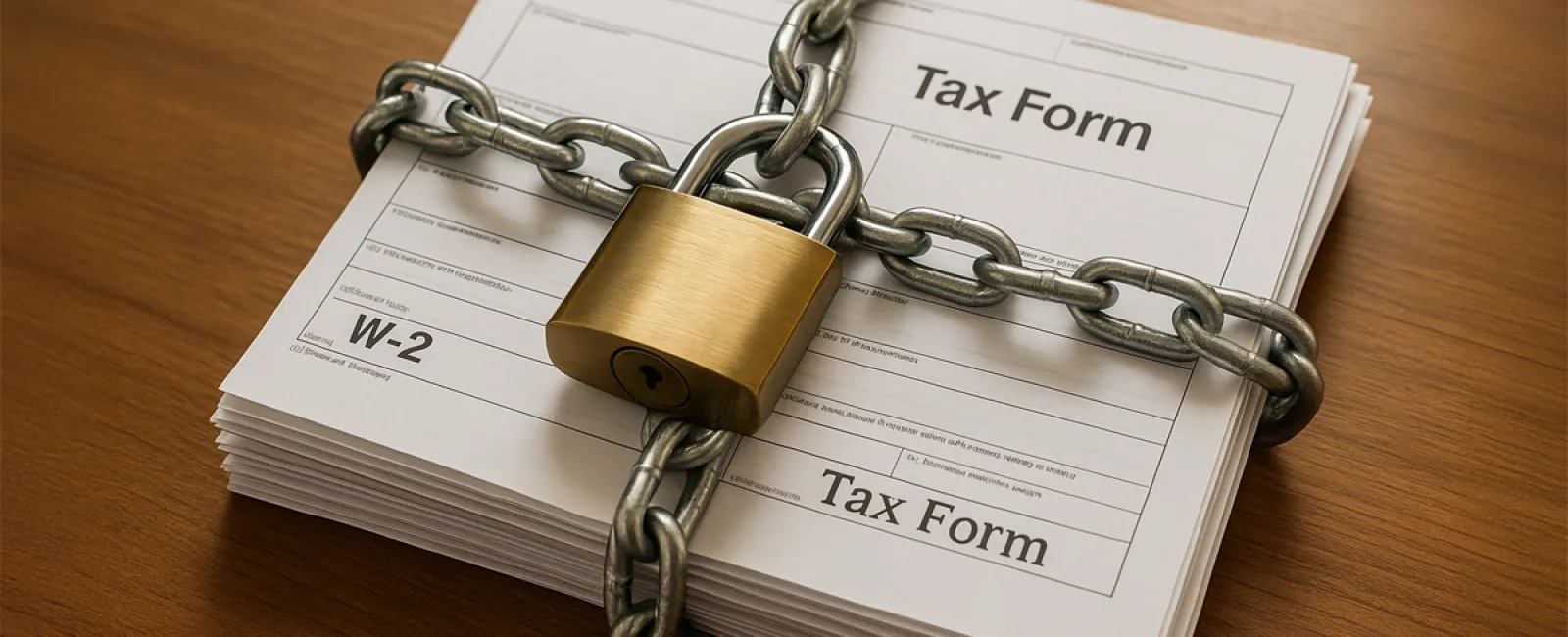
It's February, and tax season is officially in full swing. Accountants are swamped, bookkeepers are scrambling to gather paperwork, and the air is thick with thoughts of W-2s, 1099s, and looming deadlines.
But here's a critical warning rarely highlighted: the real tax season headache usually isn't a form—it's a scam.
One scam, in particular, arrives early, well before April's rush. It's simple, convincing, and targets small businesses like yours. There's a chance this scam is already lurking in someone's inbox in your company.
The W-2 Scam: Inside the Deception
Here's how it plays out:
A staff member responsible for payroll or HR receives an email appearing to come from the CEO, owner, or a top executive.
The message is brief but urgent:
"Hey, I need all employee W-2 copies for a meeting with the accountant. Please send them ASAP—I'm swamped today."
It feels genuine. The tone is familiar. Considering tax season's pace, the rushed request seems normal and reasonable.
So, the employee complies and sends the W-2 forms.
But here's the catch: the email isn't from the CEO at all. It's a scammer using a spoofed address or a cleverly disguised domain.
Suddenly, the criminal has access to every employee's:
• Full legal name
• Social Security number
• Home address
• Salary details
All the information needed for devastating identity theft and fraudulent tax filing before your employees even submit their returns.
The Aftermath: What Happens Next
This is usually how victims realize they've been targeted:
An employee files their tax return only to have it rejected with the message, "Return already filed for this Social Security number."
Someone else has already filed a return in their name and claimed their refund.
Now, your employee is trapped in a nightmare involving the IRS, credit monitoring, identity theft protection services, and months of drawn-out paperwork, all stemming from a single, deceptive email they never suspected.
Multiply this across your entire payroll, then picture explaining to your team that their personal data was compromised because a fraudulent email fooled one of your staff.
This isn't just a security breach; it's a matter of trust, a serious HR crisis, potential legal exposure, and a blow to your company's reputation.
Why This Scam Is So Effective
This scam is nothing like the obvious Nigerian prince emails.
It succeeds because:
The timing is spot-on; W-2 requests are expected in February, so asking now raises no suspicions.
The request seems reasonable and typical for tax season; it's not a suspicious demand for money or gift cards.
The urgency feels authentic—"I'm slammed, send this quickly" fits a busy office's reality.
The sender appears legitimate because scammers research their targets thoroughly, often using real names and mimicking company email formats.
Employees naturally want to help leadership and often prioritize urgency over verification.
Shield Your Business: Proactive Steps Before the Scam Strikes
Here's the encouraging news: you can stop this scam with clear policies and a strong culture, no expensive software needed.
Implement a strict "No W-2s via email" policy. Make it non-negotiable—sensitive payroll documents should never leave your organization as email attachments. If anyone requests them over email, politely but firmly say "no," even if the email seemingly comes from the CEO.
Always verify sensitive requests through a secondary channel—call, in-person conversation, or verified chat. Never rely on replying to the email itself. Use known contact numbers, not those provided in the suspicious message. It takes moments and can prevent months of costly trouble.
Hold a quick tax-scam awareness meeting with your payroll and HR teams now, not later. Educate them on what these scams look like, the spike in attacks, and the protocol for responding. Awareness is your most affordable insurance.
Strengthen security by enforcing multi-factor authentication (MFA) on all payroll and HR systems. If credentials are compromised, MFA acts as a critical last line of defense.
Foster a culture where verifying requests is encouraged and recognized. An employee who double-checks a questionable CEO email should be commended, not chastised. When verification becomes the norm, scams lose their foothold.
These five straightforward rules can be implemented immediately, offering robust protection against the initial wave of tax season scams.
Looking Ahead: The Bigger Tax Scam Landscape
The W-2 scam is just the beginning.
From now until April, anticipate a surge of tax-related cyberattacks, including:
• Fake IRS notices demanding immediate payment
• Phishing emails disguised as updates for tax software
• Spoofed emails from "your accountant" carrying malicious links
• Bogus invoices crafted to appear as legitimate tax expenses
Tax season is a goldmine for criminals because everyone is distracted, finances are moving fast, and urgent requests aren't unusual.
The businesses that navigate tax season unscathed aren't lucky—they're prepared.
They maintain clear policies, offer ongoing training, and deploy systems that spot suspicious activity before disaster strikes.
Is Your Business Built to Withstand This Threat?
If your team is already trained and policies are in place, you're ahead of most small businesses.
If not, the best time to act is now—before the scam hits.
Consider booking a 15-minute Tax Season Security Check.
During this free consultation, we'll examine:
• Payroll and HR system access controls and MFA setup
• Your established W-2 request verification practices
• Email safeguards designed to block spoofed messages
• The critical policy adjustment most businesses overlook
If this proactive step doesn't apply to you, that's great! Still, you likely know another business owner who could benefit from it—please share this article; it could save them a costly nightmare.
Click here or give us a call at 816-238-3777 to schedule your free 15-Minute Discovery Call.
Because tax season is challenging enough—don't let identity theft add to the stress.